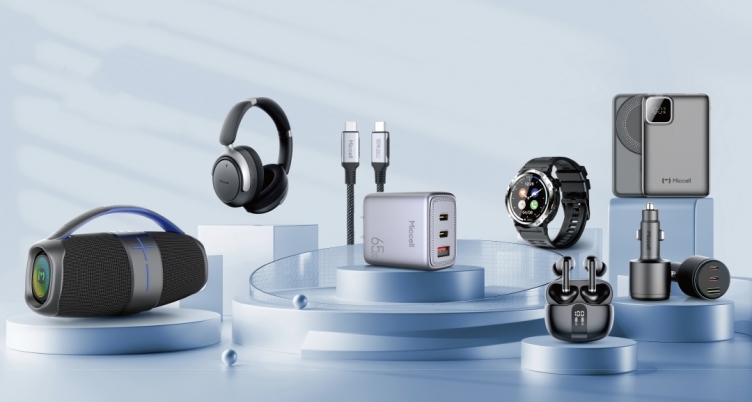
Stay Ahead of the Curve: A Comprehensive Guide of Wireless Charging

In today's fast-paced digital world, technology is evolving at an unprecedented rate. One of the most transformative advances in recent years is wireless charging. This innovative technology has simplified the way we power our devices, increasing convenience and efficiency.
In this comprehensive guide, we'll explore the fundamentals of wireless charging, how it works, key standards, benefits, challenges, and its important applications in mobile accessories.
What is Wireless Charging?
Wireless charging, also known as inductive charging, is a method of powering devices without the need for physical connectors or cables. Utilizing electromagnetic fields, wireless charging enables energy transfer from a charging pad to a compatible device, such as smartphones, tablets, or other electronic gadgets. The convenience and growing adoption of wireless charging have made it a popular choice for powering a variety of electronic devices, particularly mobile accessories.
How Wireless Charging Works
Wireless charging operates through a charging pad that transmits power without the need for physical connections, utilizing electromagnetic induction. This process begins when the wireless inductive charging station generates an electromagnetic field between the charger and the smartphone, enabling the transfer of electric current through the air.
The electromagnetic waves produced by the charging station are captured by a receiver coil embedded within the back of the phone. This coil converts the electromagnetic waves into usable electrical energy. The converted electrical current is then used to charge the smartphone's battery, allowing it to store power for later use.
Due to the limited range of the magnetic field, devices must be positioned close to the wireless charging pad. Typically, this means placing the smartphone directly on the pad. Most charging stations feature a visual indicator, such as a circle or other marker, to show the optimal charging area. However, precise positioning is not necessary; slight misalignments generally won't prevent the device from charging effectively.

Major Standards for Wireless Charging
Many of the devices we use every day, such as smartphones, smartwatches and earphones support wireless charging. As wireless charging technology has evolved, multiple standards have emerged to ensure compatibility and efficiency. The three major standards are:

- Qi Standard
Qi Standard
The Qi standard, developed by the Wireless Power Consortium (WPC), is the most widely adopted wireless charging standard. Many smartphone manufacturers, including Samsung, Apple, Sony, Honor, Oppo, OnePlus, Huawei, Nokia, Motorola, and Xiaomi have incorporated Qi wireless charging into their devices.
It can be used to charge both wired and wirelessly, so if you need the faster charge of the wired connection, you won't have to go searching for another charger. There are different wattages of Qi charging-5W, 7.5W, 10W, and 15W. A higher wattage usually means faster charging speeds. Qi-certified devices can charge on any Qi-compatible charger, making it the go-to choice for consumers seeking convenience and interoperability.
- PMA Standard
The Power Matters Alliance (PMA) standard is another popular wireless charging protocol, primarily used in public charging stations. While less common than Qi, PMA is still found in some devices and charging pads. However, it is less widely supported in smartphones compared to the Qi standard.
- A4WP Standard
The Alliance for Wireless Power (A4WP), which has since merged with the PMA, introduced the resonant charging standard. This technology allows for charging multiple devices simultaneously and offers greater flexibility in terms of distance and position. A4WP aims to provide a more versatile solution for consumers, though its adoption has been slower compared to the Qi standard.
Advantages of Wireless Charging
Wireless charging technology offers numerous advantages that make it an appealing option for consumers and manufacturers alike.
- Convenience
Users can simply place their devices on a charging pad without the hassle of plugging in cables. Simply carry your wireless charging device with you when you're out, no need to carry extra cables!
- Wide Applicability
Wireless charging is applicable to a vast range of devices, from smartphones and tablets to wearables and electric vehicles. As more manufacturers adopt wireless charging technology, its applicability continues to expand, creating a more unified charging experience across various devices.
- Design Flexibility
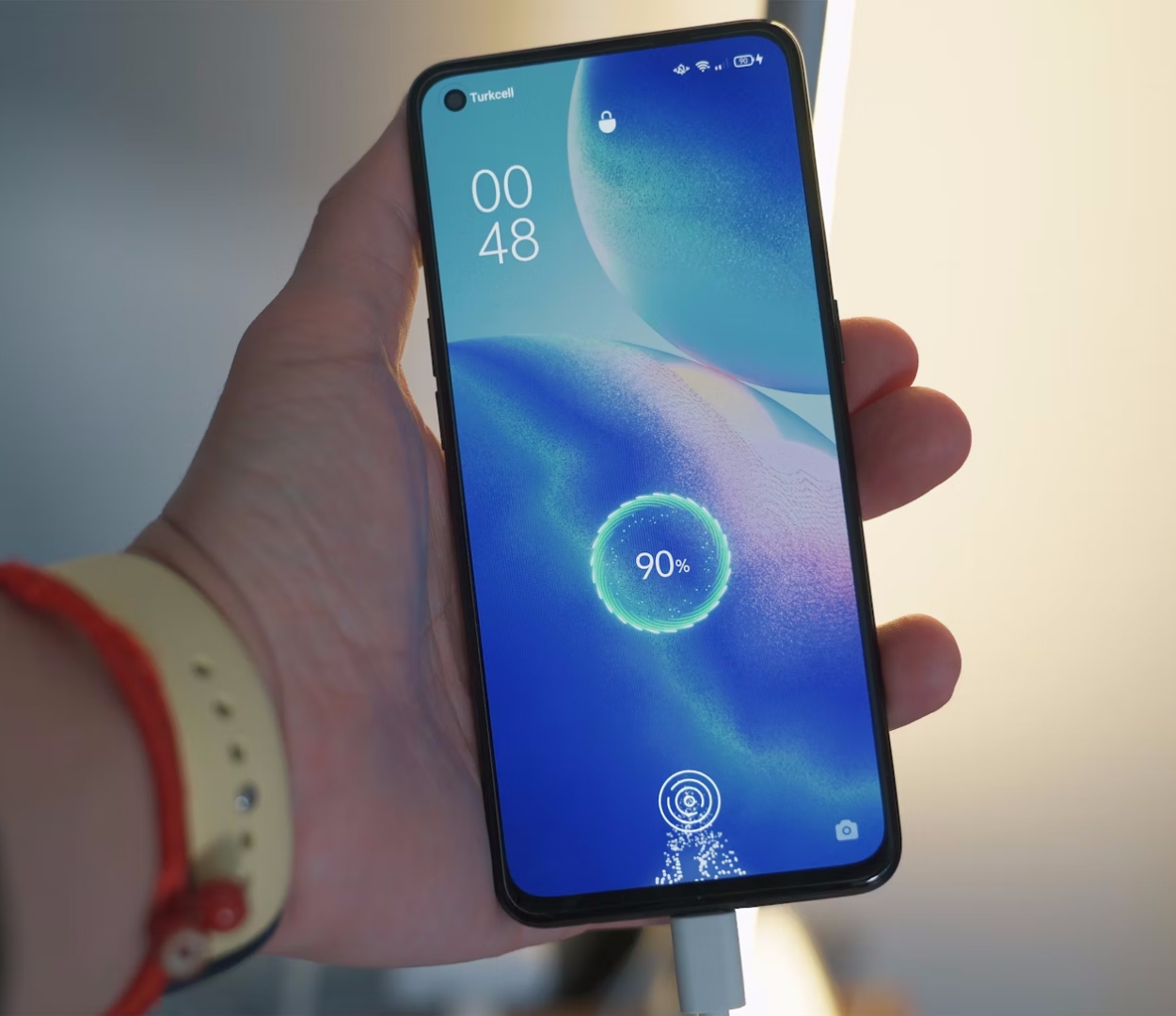
Wireless charging allows for greater design flexibility for device manufacturers. Without the need for charging ports, devices can be designed with sleeker profiles, reduced wear-and-tear, and increased water and dust resistance. This opens up new possibilities for innovative designs that enhance user experience.
- Reduced Wear and Damage Risks
Traditional charging ports are susceptible to wear and tear over time, leading to potential damage and reduced functionality. Wireless charging eliminates the need for physical connectors, significantly lowering the risk of damage and prolonging the lifespan of devices.
Challenges in Wireless Charging
Despite its benefits, wireless charging does come with some challenges that have yet to be fully addressed.

- Charging Speed Limitations
While wireless charging is convenient, it often lags behind wired charging in terms of speed. Many wireless chargers offer lower wattage output, leading to longer charging times. However, advancements in technology are gradually improving charging speeds.
- Efficiency Issues
Wireless charging systems are generally less efficient than traditional wired methods. Energy loss occurs during the transfer between the transmitter and receiver, which can result in longer charging times and increased heat generation. Manufacturers are working to enhance the efficiency of wireless charging systems to
mitigate this issue.
- Compatibility Problems
With multiple standards in play, compatibility can be a concern for consumers. Devices that support different wireless charging standards may not work seamlessly with all chargers, leading to frustration. As the industry works towards standardization, this issue should gradually diminish.
Wireless Charging in Mobile Accessories
Wireless charging has become a significant feature in mobile accessories, enhancing the functionality and usability of devices. Let's take a closer look at the types of wireless charging devices and how to use them.
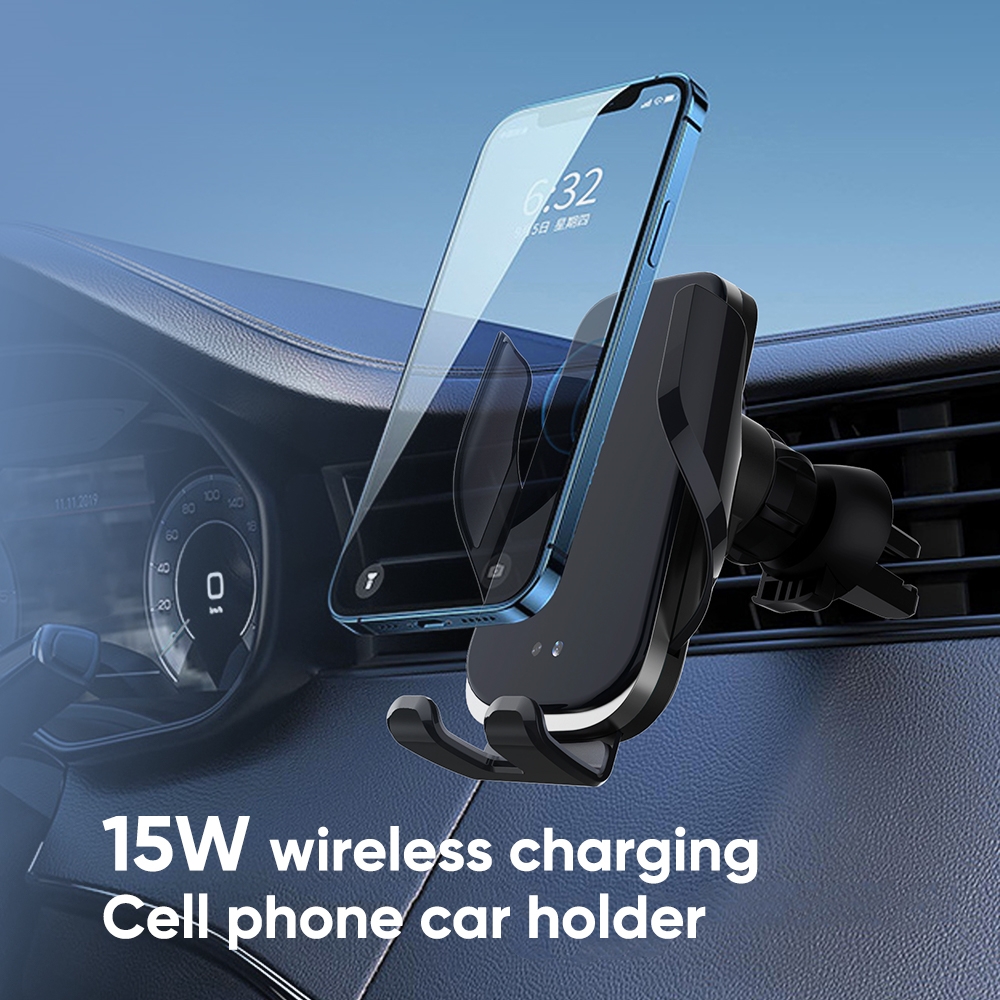
Wireless Car Mount: A car mount with integrated wireless charging allows drivers to navigate while charging their phones without the need for messy cables or wires, improving convenience and safety. Such as our CH05 Magnetic Car Mount.
Wireless Power Bank: It is a portable charging solution that combine the benefits of traditional power bank with wireless technology. Users can charge their devices on-the-go without needing cables. This is particularly useful for travelers and individuals with busy lifestyles who require reliable charging solutions. Veaqee P22, P27, P28, P29, P30, P31 are models that all supports wireless charging, you can clik here to selet the magnetic wireless power bank one you like.
Wireless Charging Stand: Utilizing advanced inductive charging technology, these stands allow compatible smartphones, smartwatches, and other gadgets to charge simply by placing them on the surface. With their sleek designs and often multi-device capabilities, they not only enhance your workspace or bedside table but also promote a clutter-free environment. Veaqee W49 3 in 1 wireless charging stand is one of the best.


Wireless Charging Pad: It is a specially designed surface that facilitates the transfer of power to compatible electronic devices without the need for physical connectors or cables. Leveraging electromagnetic induction or resonance, these pads allow users to charge their devices simply by placing them on the surface. However, they must be connected to a power source, such as a wall outlet.
Smartwatch: Many smartwatches utilize wireless charging docks or pads, enabling users to conveniently charge their devices without the hassle of plugging in cables. Such as our SM01 Smartwatch.
Conclusion
As we explore the potential of wireless charging further, it is essential to embrace this technology and consider the ways it can enhance our daily lives and experiences with mobile accessories.
The future of wireless charging is bright, and staying ahead of the curve means understanding and embracing these innovations as they unfold. Veaqee is also on the path of continuous innovation, doing our best to meet the changing needs of our customers. Contact us if you are interested.
The Best iPhone Accessories You Can Buy From Veaqee
How TWS Earphones Are Made in Veaqee Factory